


The US 10-Year Treasury Yield Has Spiked: What It All Means for Investors
TradingKey - After President Trump’s “Liberation Day” trade tariffs announcement, one of the weirdest things to happen in market was that bond yields actually rose significantly.
The US 10-Year Treasury Yield briefly surged past 4.5% on April 9, 2025, marking its highest level since February—and a dramatic jump from just 3.9% on April 4, barely a week earlier and right after Liberation Day.
This isn't just market noise. It's one of the sharpest yield spikes in recent memory, and it's sending shockwaves through Wall Street.
.jpg)
So, what’s fueling this sudden surge? What does it mean for your investments? And most importantly—how can you turn this volatility into opportunity?
Let’s break it all down and help you make sense of the chaos.
Why are yields rising so fast?
Yields are going up because bond prices are going down. That’s basic market maths. When bond prices fall, yields go up (and vice versa). But why are bond prices falling?
Simply put, there are two big reasons:
- Trade tensions are back on the front burner, thanks to President Trump’s sweeping tariff announcements on April 2. That includes a 10% blanket tariff on all imports and triple-digit tariffs on Chinese goods.
- Foreign investors—especially China and Japan, two of America’s biggest bondholders—are reportedly reducing their US Treasury holdings. That’s a massive dent in demand.
At the same time, domestic demand is soft. Pension funds and insurers bought just 6.2% of the latest Treasury auction, well below the long-term average of 19%. Hedge funds are unwinding complex “basis trades,” further pressuring the market.
And don’t forget inflation fears. Rising tariffs means higher prices, which could lead to inflationary pressure, resulting in demand for higher yields by investors to compensate for that risk.
In short, the bond market is reeling from a perfect storm of geopolitical stress, reduced foreign support, and rising inflation expectations.
How this impacts investors
This isn’t just a bond story. The ripple effects are hitting nearly every corner of the market.
If you’re holding long-term Treasuries, you’re likely sitting on losses. Prices fall when yields rise. On the flip side, new buyers are getting much better income returns but with higher risk and volatility.
Shorter-duration bonds and floating-rate notes are suddenly more attractive. And outside the US, investors are flocking to German bunds (10-year yield at 2.62%) as the new “safe haven”.
Stock investors hit too
Rising yields are bad news for equities, especially sectors sensitive to interest rates like real estate, utilities, and tech. The S&P 500 Index has already seen a sharp decline since the tariff announcement (although it has recovered some of that back).
When investors can get nearly 4.5% “risk-free” from Treasuries, they’re going to demand a much higher return from stocks. That puts pressure on valuations, especially for growth names.
Defensive sectors like healthcare and consumer staples tend to hold up better. These companies provide essential services, no matter what happens to interest rates or inflation.
Currency and global diversification
The US dollar is falling, recently hitting a three-year low (Dollar Index at 98.14). That’s a big deal.
A weaker dollar means your international investments (in euros or yen, for instance) may actually perform better than US ones. And companies with overseas earnings could see impact on their earnings.
What’s the bigger picture?
Here’s the thing—rising yields mean borrowing costs are going up.
That affects:
- Consumers (think mortgages, credit cards, auto loans)
- Businesses (costlier to finance growth)
- Governments (higher interest on the national debt)
And when money gets more expensive, the economy usually slows down. The market is starting to see a higher risk of a US recession over the next 12 to 18 months. What is even more alarming is how both stock and bond prices were falling together.
What should you do now?
Great question. And no, the answer isn’t to sell everything and hide your money under the mattress or go 100% into gold.
Here are five smart moves to consider:
1. Shorten your bond duration
Stick to short-term bonds, floating-rate debt, or even cash-like instruments. You’ll avoid most of the price volatility and still earn a decent yield.
2. Go defensive in stocks
If you're going to stay in equities (which you should), tilt your exposure toward healthcare, consumer staples, and dividend-paying blue chips. These companies tend to weather storms better than hyper-growth names.
3. Diversify internationally
The US might be the world’s largest economy, but it’s not the only game in town. Eurozone bonds, Japanese equities, and emerging markets could all offer attractive relative value right now.
Emerging markets, such as the Indian stock market, also offer a great opportunity for long-term investors to put their money to work now.
4. Watch the US Dollar and gold
Currency fluctuations are playing an outsized role in portfolio returns right now. For global investors, keeping a close eye on the euro-dollar trend is essential.
With the US dollar weakening, it may be wise to hedge foreign exchange (FX) exposure to protect gains.
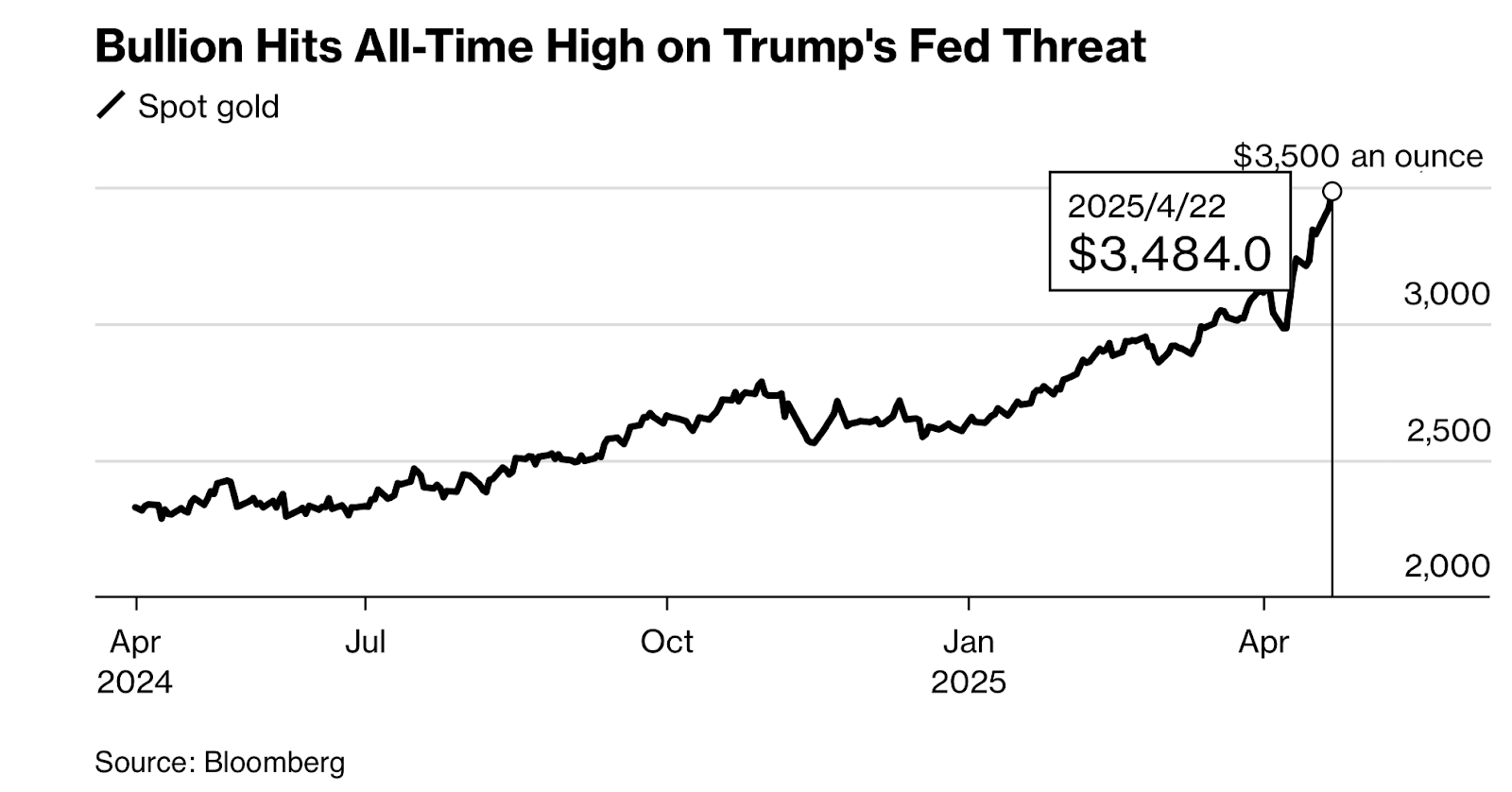
Another tactical move? Gold. While prices are elevated, gold often thrives when the dollar dips and uncertainty rises—making it a potential hedge worth considering in today’s environment.
5. Keep some cash
Having dry powder is underrated. When everyone else is panicking, you want the liquidity to swoop in and buy quality assets on sale.
Stay smart, stay calm
The surge in the US 10-Year Treasury Yield is a wake-up call—but not a reason to panic. These shifts are part of a broader realignment in global markets. Yields are higher, risks are rising, and the old rules are evolving.
But one thing never changes: opportunity lives in uncertainty. By staying informed, diversifying smartly, and playing both offense and defense, you’ll be ready for whatever comes next.
Recommended Articles


